
When Manufacturing Offices Outgrow Their Layout (And What to Do Instead of Moving)
Growth is a good problem to have, but in manufacturing environments, it often shows up in unexpected ways.
A few more engineers. An expanded admin team. A training room that suddenly doubles as a meeting space. Before long, the office starts feeling crowded, inefficient, and disconnected from how teams actually work.
The instinctive response is often, “We’ve outgrown this space.”
But relocation isn’t always the best or fastest solution.
The familiar signs your office layout isn’t working
Most manufacturing offices don’t outgrow their square footage overnight. It happens gradually.
Common signs include:
-
Temporary desks that become permanent
-
Meeting rooms booked constantly
-
Training rooms used for overflow workstations
-
Storage creeping into work areas
-
Collaboration happening in hallways or breakrooms
These are signals that the layout no longer matches how the organization operates.
Why moving isn’t always the right answer
Relocating an office comes with significant costs:
-
Disruption to operations
-
Long timelines
-
Unexpected build-out expenses
-
Coordination across teams and vendors
For many manufacturers, reconfiguring existing space can solve the problem more efficiently.
When reconfiguration makes sense
Reconfiguration works especially well when:
-
Headcount growth is steady but manageable
-
Certain spaces are underused
-
Teams have evolved but the footprint hasn’t
-
The goal is flexibility rather than expansion
It allows organizations to adapt without pressing pause on daily operations.
Smart reconfiguration strategies
The most successful reconfigurations focus on function first.
Reclaim underused spaces
Large private offices, oversized conference rooms, or storage-heavy areas can often be repurposed.
Create flexible work zones
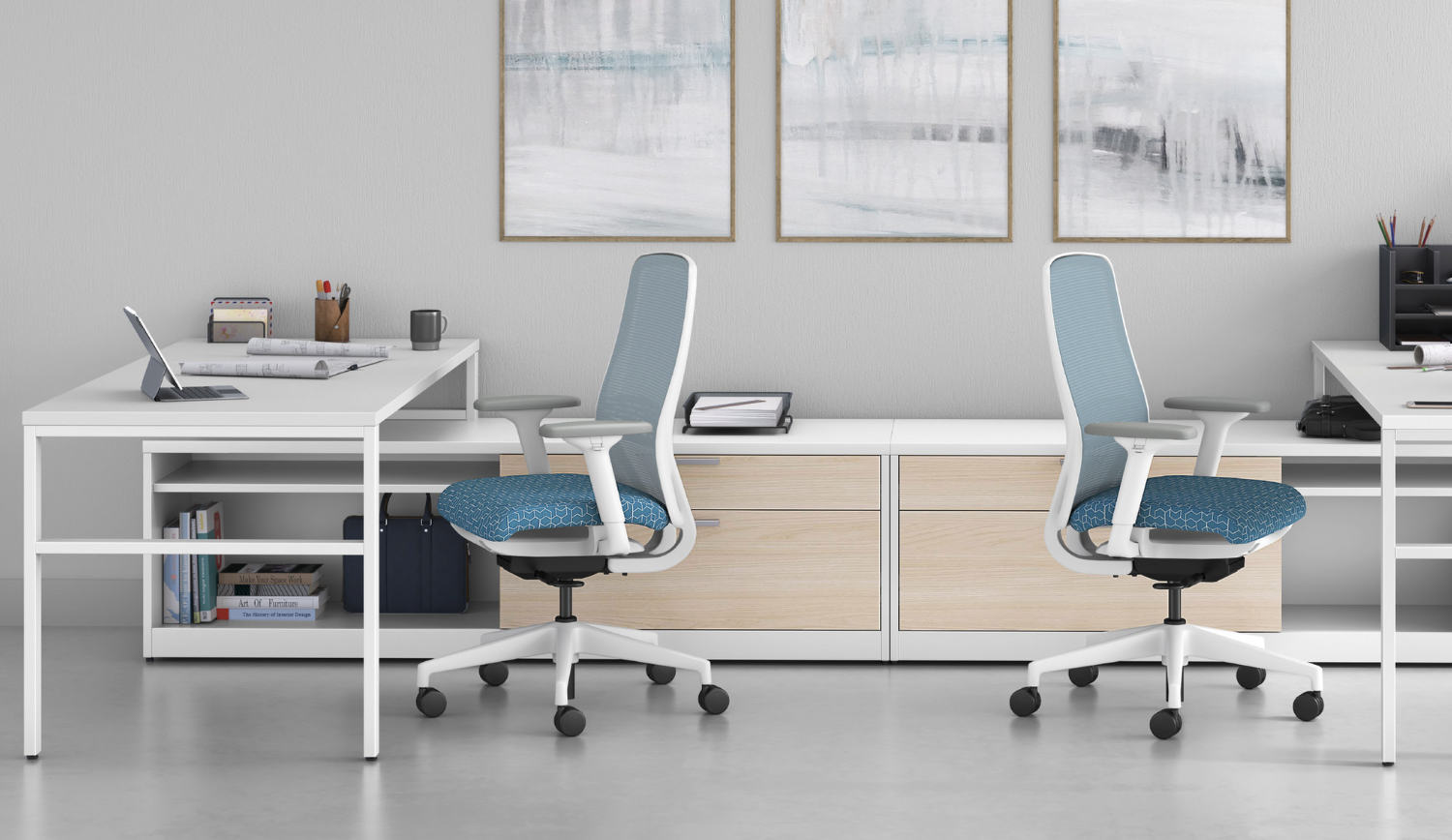
Modular workstations and shared spaces allow teams to shift as needs change.
Separate focus and collaboration
Not every space needs to do everything. Clear zones improve productivity.
Plan for future growth
Furniture systems that can expand or be rearranged reduce the need for frequent overhauls.
Furniture choices that support growth
Furniture plays a critical role in making reconfiguration successful.
Look for:
-
Modular systems that grow with teams
-
Durable materials suited for high-use environments
-
Furniture that can be relocated without major disruption
-
Consistent systems that allow phased updates
The right furniture gives teams room to grow without locking them into rigid layouts.
Buying time and flexibility
A thoughtful reconfiguration can buy years of flexibility. It allows manufacturing teams to respond to growth without rushing into a major move.
Often, it’s not about needing more space. It’s about using the space differently.
Not sure if reconfiguring makes sense for your office?
A short conversation can help explore options before making bigger commitments.