DESING AN OFFICE FOR HOW YOU WANT PEOPLE TO WORK
When companies think about office design, the conversation often starts with furniture.
How many workstations do we need? What kind of conference table should we buy? Do we need more private offices?
But there may be a better place to start:
How do we want people to work?
The most effective workplaces are designed around behaviors, not just square footage. Before choosing desks, chairs or finishes, think about what you want to make easier for the people using the space every day.
If You Want More Collaboration
Collaboration doesn’t always happen in a conference room.
Sometimes it’s two people pulling together for a quick conversation. Sometimes it’s a project team spreading out for an hour. Other times, it’s an idea that comes up unexpectedly while people are talking between meetings.
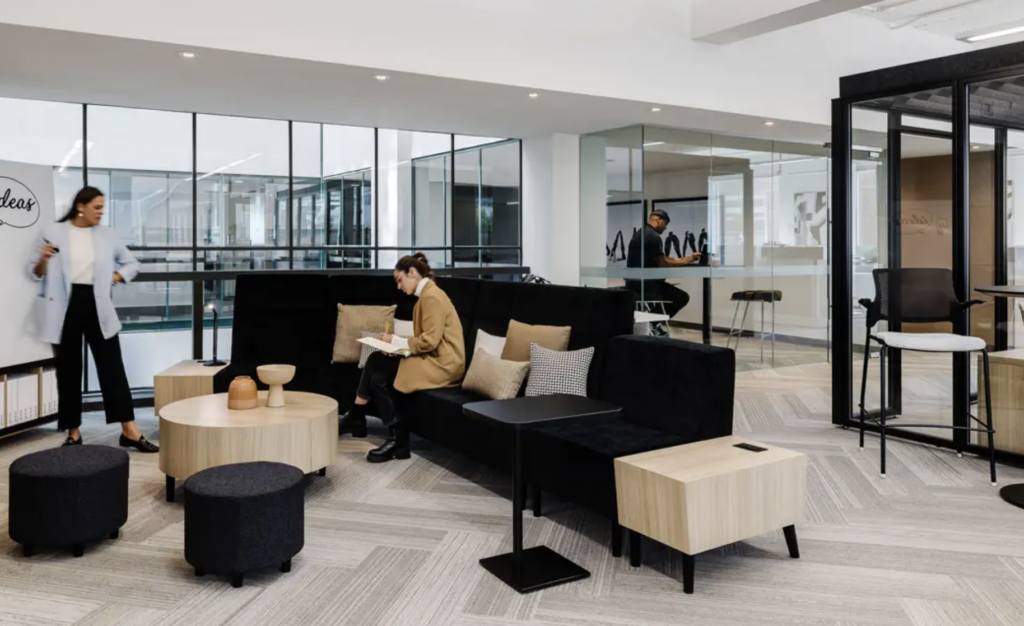
If collaboration is important to your organization, consider creating a variety of spaces that make those interactions easy.
That might include:
- Small huddle areas
- Shared tables
- Writable surfaces
- Flexible seating
- Technology that makes it easy to bring remote team members into the conversation
The goal isn’t to force collaboration. It’s to remove the barriers when people need it.
If You Want People to Focus
An open office may make communication easier, but not every task benefits from constant activity.
Employees also need places where they can concentrate, take a confidential call or simply work without interruption.
That doesn’t necessarily mean adding more private offices. Focus can be supported through quiet zones, acoustic solutions, smaller enclosed spaces or simply giving employees choices about where they work based on the task in front of them.
A workplace that supports both collaboration and concentration gives people the ability to move between the two.
If You Want More Mentoring and Learning
Some of the most valuable learning at work doesn’t happen during formal training.
It happens when a newer employee can easily ask a question. When someone overhears a conversation and learns something new. When experienced team members have spaces where they can sit down with colleagues and work through a challenge together.
Consider how your workplace encourages those moments.
Are managers physically accessible to their teams? Are there comfortable places for one-on-one conversations? Can small groups gather without having to reserve a large conference room?
The physical environment can make knowledge sharing feel natural rather than scheduled.
If You Want People to Connect
Not every workplace interaction needs an agenda.
Cafés, lounges, break areas and shared spaces can play an important role in building connection across teams. These are often the places where employees run into someone they don’t work with every day, catch up for a few minutes or start a conversation that wouldn’t have happened otherwise.
These spaces may look informal, but they can serve an important purpose.
If you want people to connect, give them somewhere to do it.
If You Meet With Clients
Your workplace isn’t only designed for employees.
For customers, prospects and partners, the office is part of their experience with your organization.
Think about what someone sees and feels when they walk through the door.
Does the space reflect who you are? Is it welcoming? Does it support the kinds of conversations you want to have with clients? Can visitors easily transition from a formal meeting to a more casual conversation or product demonstration?
Your workplace can communicate a lot about your organization before the meeting even begins.
Start With the Behavior, Then Design the Space
There isn’t one perfect office layout because there isn’t one way people work.
The right environment depends on your organization, your teams and the work they need to accomplish.
So before asking what furniture you need, ask a few different questions:
How do we want people to interact?
Where do they need privacy?
Where should collaboration happen?
How do we want employees and visitors to feel when they’re here?
What kinds of work do we want this space to make easier?
Once you understand the behaviors you’re trying to support, the design decisions become much more intentional.
At Office Furniture Source, we believe a great workplace should do more than look good. It should help people do their best work.
Start with how you want people to work. Then create the space that helps make it happen.